Brazil – Black women Ayomidê Yalodê and comprehensive care and protection practices

Historias

The Black population in Brazil faces daily oppression, exclusion, and even systematic genocide in their communities, which is intensified by the lack of public policies. This is particularly evident in the lives of women, Black activists, and non-binary people. Aware of this reality, which has been exacerbated by the effects of the COVID-19 pandemic, the Coletivos de Mulheres Negras Ayomidê Yalodê (Ayomidê Yalodê Black Women’s Collectives) in Salvador, Bahia, managed to establish care and protection networks that included strengthening physical security at the organization’s shelter and digital security. Through their shelter strategy and in close coordination with networks such as the Associação Afro-cultural Casa do Mensageiro and the Coletivo Feminista Filhxs do Sol, it was possible to provide a safe space equipped for the needs of activists and human rights defenders and reduce the impact of contagion. In terms of digital security, they held various workshops addressing communication strategies for defending the rights of young LBTIQ+ people and establishing secure communication channels for various counseling and support activities.

The organization provided psychosocial support and assistance in matters of sexual, reproductive, and non-reproductive rights, as well as strategies for coping with the pandemic. These processes took place both in person and virtually, allowing them to assist people in other states of Brazil, especially in rural areas. In addition, they delivered basic food baskets and hygiene kits to LBTIQ+ defenders as a food security strategy to reduce the risks of infection, cope with the crisis, and deal with lockdowns. With the implementation of these strategies, the organization was able to incorporate its reflections on actions and lessons learned to increase its capacity to welcome both activists and their families, in addition to including spaces for trans people. The actions also had an impact on the community, resulting in families also offering their homes to expand the network of shelters, strengthening the social fabric and community networks.

“Currently, the organization is more structured, with tasks divided among its members. We have opened spaces for transgender people, including trans men, because we have begun to understand that our struggles must come from a collective perspective and that within black feminism there can be no gender distinctions.”
.

More Stories

Dominican Republic: Teatro Maleducadas

Dominican Republic: Teatro Maleducadas

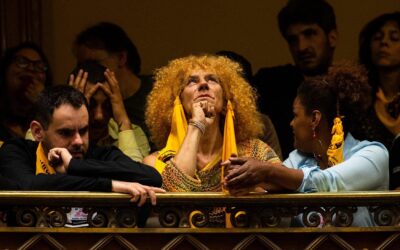
In the Dominican Republic, betting on theater is no simple task. You have to be willing to do so in a context that prioritizes other forms of expression. But those who do so experience other forms of creation, expression, and individual and collective connection in...

Crossroads

Crossroads

Taking stock in order to provide support and accompany processes throughout the region is no easy task. To achieve this, political will and flexible resources or institutional support are needed. This has been the opportunity and decision we have had for more than 11...

Uruguay in TRANSformation: for the rights of transgender people

Uruguay in TRANSformation: for the rights of transgender people

Uruguay was the first country in Latin America to regulate a Comprehensive Gender Identity Law in 2009. During those years, those who wanted to change their name had to go through a long and costly legal and administrative process, which not everyone had access to and...

Courage and resilience: the story of peasant women in Paraguay

Courage and resilience: the story of peasant women in Paraguay

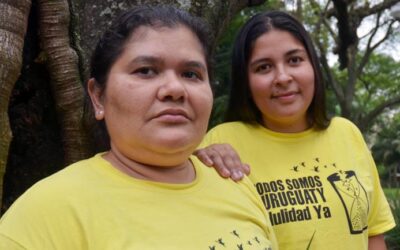
.The Commission for Victims of the Curuguaty Massacre was created as an initiative to demand justice and reparations for the events that took place in the town of Curuguaty on June 15, 2012, in the context of the peasant struggle against illegal land dispossession,...

TRANSforming realities, the new Gender Identity Law in Chile

TRANSforming realities, the new Gender Identity Law in Chile

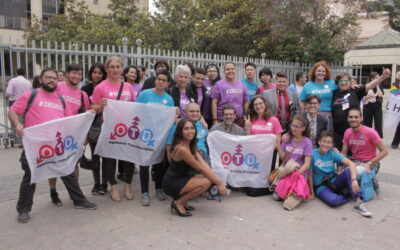
These far-reaching processes, which require a long-term struggle, involve commitment and efforts that cannot be abandoned; for example, there must be many supporters attending the Senate sessions,” says Franco Fuica, Director of OTD. Organizando Trans Diversidades...

Gender Identity Law in Bolivia

Gender Identity Law in Bolivia

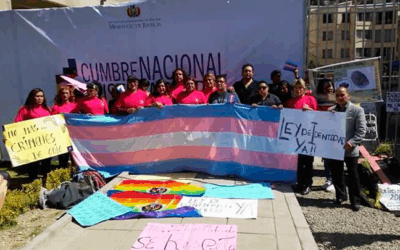
FAU-AL supported Red Trébol in the approval of the Gender Identity Law in Bolivia. Thanks to the hard work and tireless struggle of trans organizations and activists in Bolivia, today this country has a “Gender Identity Law” or Law 807, approved by the Plurinational...

Talking with the Parces

Talking with the Parces

Talking with the Parces.. FAU-AL interview with the organization P.A.R.C.E.S.. On January 20, 2016, the Bogotá Metropolitan Police arrived at Plaza de la Mariposa, in the San Victorino neighborhood, and violently and unjustifiably detained 15 female sex workers. In...