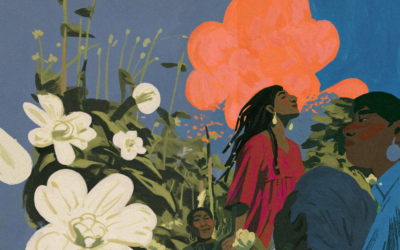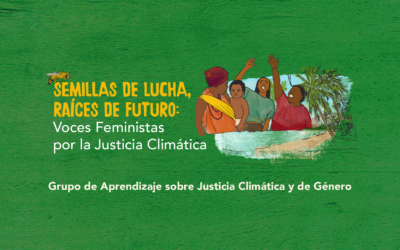
September is a busy month in New York. Climate Week and the United Nations General Assembly bring governments, organizations, movements and others to the city to discuss decisions shaping the planet’s present and future. Against this backdrop, FAU LAC launched the English edition of Seeds of Transformation, Roots for the Future, a publication created together with feminist movements across Latin America and the Caribbean that shares their experiences and responses to the climate crisis.
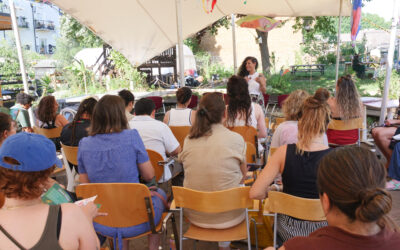
More than 60 people gathered in New York during Climate Week and the United Nations General Assembly for the English-language launch of Seeds of Transformation, Roots for the Future: Feminist Voices for Climate Justice, a collectively authored book that brings together the experiences, knowledge and solutions that feminist movements across Latin America and the Caribbean are already developing in response to the climate crisis.
The gathering also celebrated the collective process that made the book possible. People could connect with the participating organizations’ territories in different ways: through an exhibition of photographs from each organization, a listening station with sounds from their territories, an altar inviting the ancestral forces of the different communities to accompany us, and a sharing of colors, flavors and aromas.
A conversation with the book’s coauthors brought stories, practices and knowledge from different parts of Abya Yala to New York (a name of Guna origin that peoples and movements use for the Americas from an anticolonial perspective).
They shared concrete experiences of responding to the climate crisis in their territories. “The solutions are already here; the question is how we can support them better,” said Sofía Marcía, our Co-Executive Director, during the panel.
Building climate justice every day through water memory and cooking
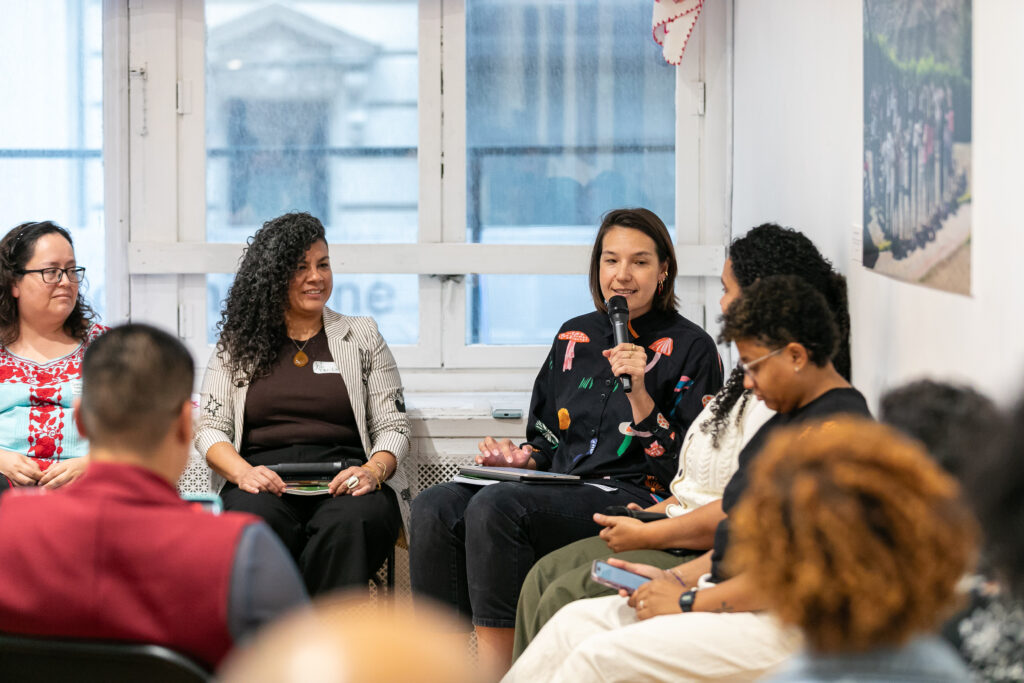
The conversation brought Fabiarelis Espinal, Joshi Leban and Saraleth Ramos together with Sofía Marcía. Their stories come from different places in the Dominican Republic, El Salvador and Mexico, and share a conviction: people also defend their territories through the everyday practices that sustain life.
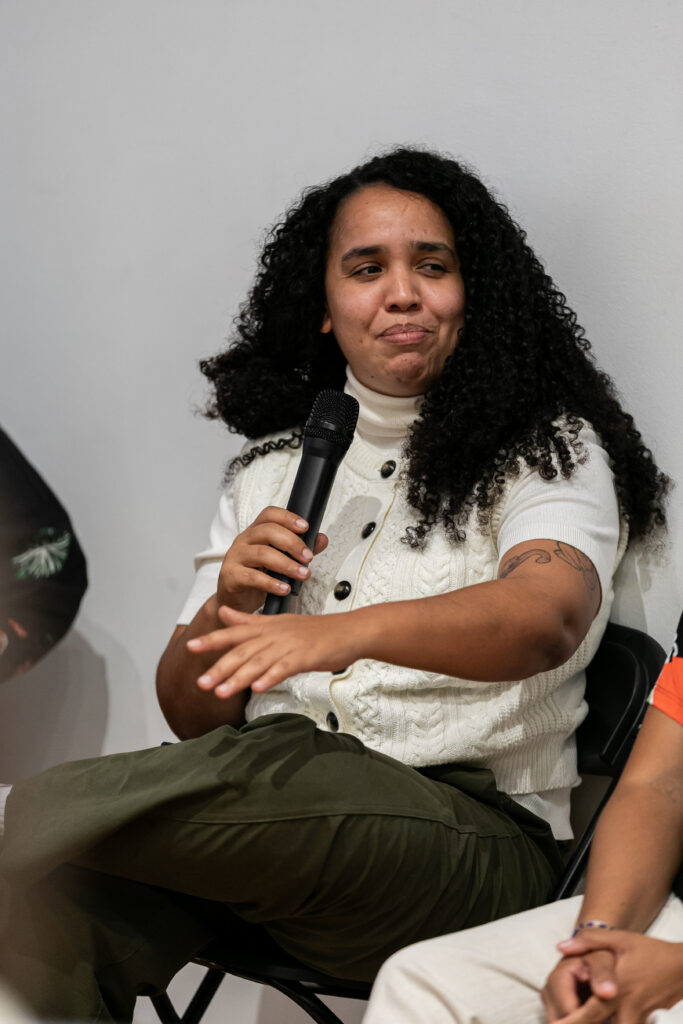
Fabiarelis Espinal is a land defender and a queer, antiracist leader from the Dominican Republic. She cofounded Aquelarre RD, the first feminist, antiracist, grassroots collective in Monseñor Nouel province, and La Casa Cultural La Cimarrona, the region’s first queer cultural space. There, defending water, territory and life means creating spaces where people can come together, create and organize through sexual dissidence and political action.
In New York, she spoke about micropolitics as something that happens even far from major decision-making spaces: “Micropolitics is about people in the most remote places seeking new ways to find dignity and justice.”
Water runs throughout her territory. “There are 114 rivers in the community; water runs through us,” she shared. For her, the question of how to build hope always returns to that geography and to the places where rivers meet.
Joshi Leban, a queer feminist organizer and cultural worker, “grew up in Nicaragua and blossomed in El Salvador.” Speaking about what it means to defend territory, Joshi summed it up with a question: “How could you not defend your home?”
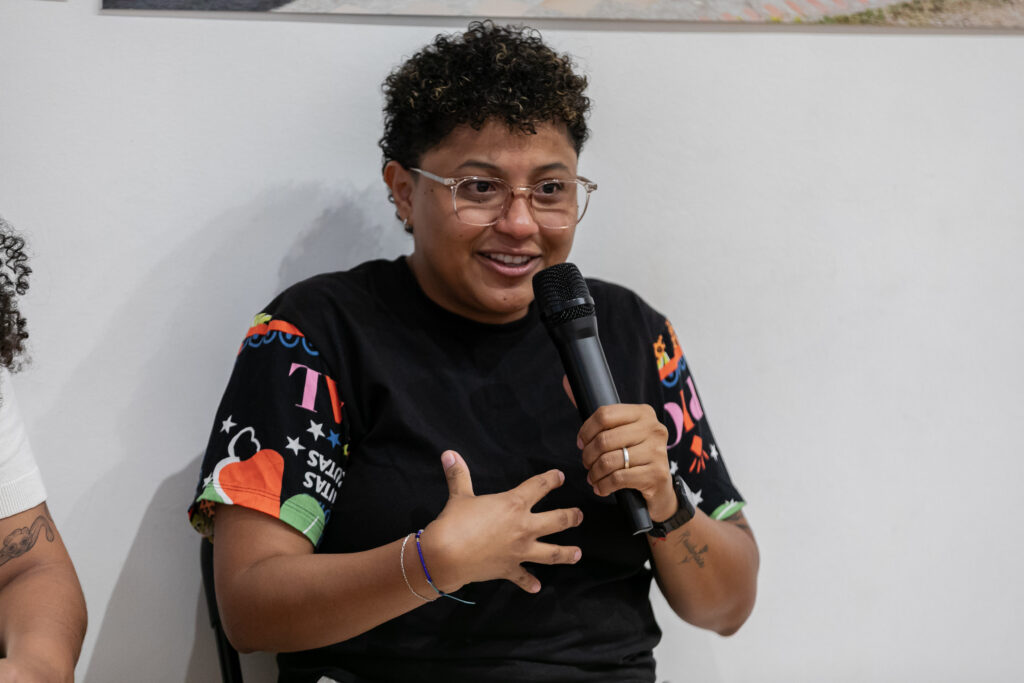
Joshi is part of MOMUJEST. During the conversation, Joshi reminded us that the responses movements across the region are creating today began long before the climate emergency became a subject of discussion in international spaces. People across Latin America and the Caribbean have spent generations confronting the consequences of colonialism, extractivism and other forms of concentrated power.
“Resistance did not begin today; it has a long history,” Joshi said, recalling the difficult conditions in which many organizations continue their work and the different strategies they develop to care for their members and sustain their organizing when there is not enough money.
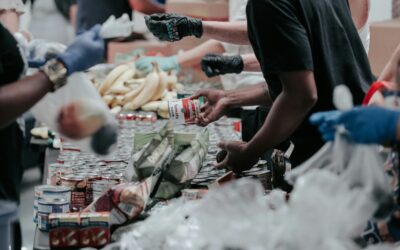
Saraleth Ramos brought the conversation into another everyday space: the kitchen. Born into the hands of a midwife and carrying forward her grandmother Sara’s legacy, she has worked alongside Nahua and Teenek women in the Huasteca Potosina region to make the kitchen a place for autonomy and alternative economies. She cofounded Tlalij, Yolojtli uan Nemililistlij (Land, Heart and Life), an organization that supports community processes in the region, and participates in a network of more than 32 organizations defending Mother Earth. As a popular educator, she also supports Indigenous girls in imagining themselves doing science through their own Ancestral Intelligence.
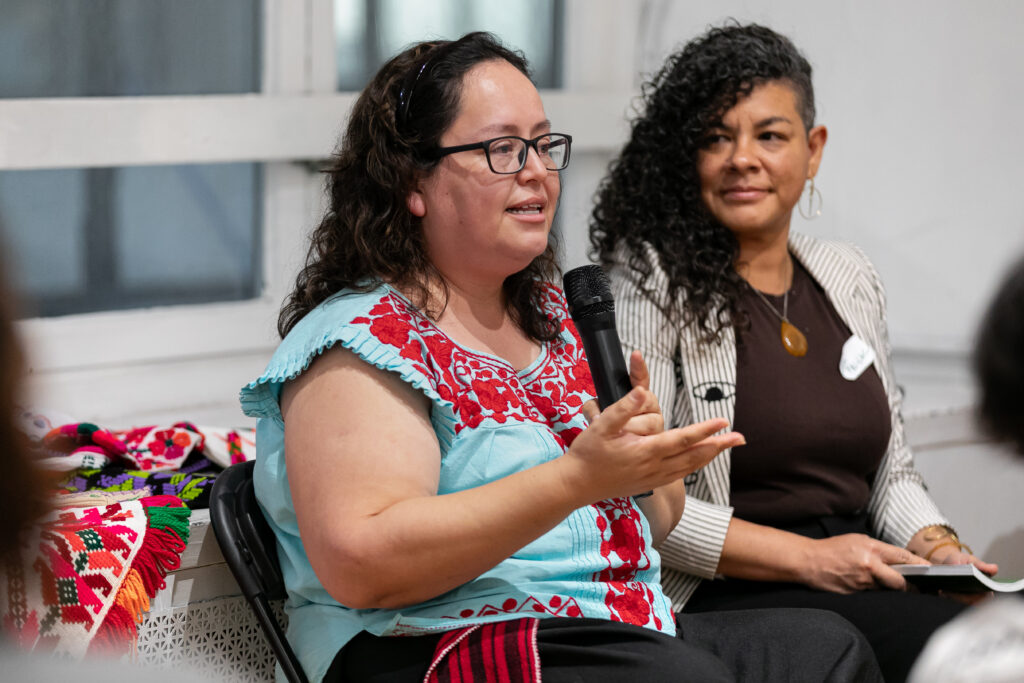
“Our Mother Earth is like our body. When deforestation happens, it is as if something were happening to our skin,” she explained.
Her way of speaking about hope is equally concrete: “Hope is not something far away; it is something we make every day, by planting and harvesting.”
Our role alongside movements
For FAU LAC, listening to these experiences also means asking what role those of us who support and fund movements should play.
“What we do and what we leave undone affects organizations. At this critical moment, when we need to learn more, our role is to listen, to walk alongside them without taking their place,” said Sofía Marcía. She left those of us in the room with an open question: “What is our role? It is something everyone here should ask themselves.”
This question matters especially now, as feminist organizations and groups rooted in their territories and communities sustain climate responses with limited resources, while those making major funding decisions remain far removed from them.
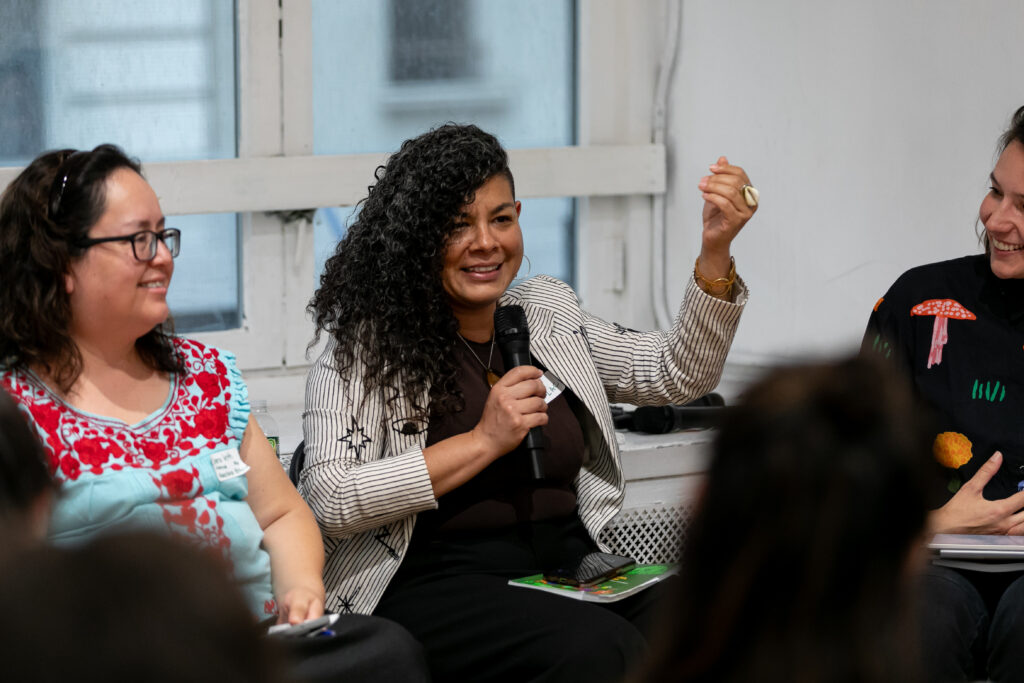
“We need money to reach the right hands. Organizations will keep protecting their territories with or without our money. But if we can help them do so with dignity, let’s do it,” Sofía said.
Supporting movements as a regional feminist fund means recognizing that people rooted in their territories know the responses they need, and that funding must sustain their decisions, their autonomy and their voices, with communities themselves shaping the solutions.
A book created by many hands
Seeds of Transformation, Roots for the Future grew out of that collective work. What began as a seed grew through a network of care, organizing and defense of our bodies, territories and nature, bringing together in one book the perspectives and experiences of movements living through the climate crisis and creating responses within their communities.
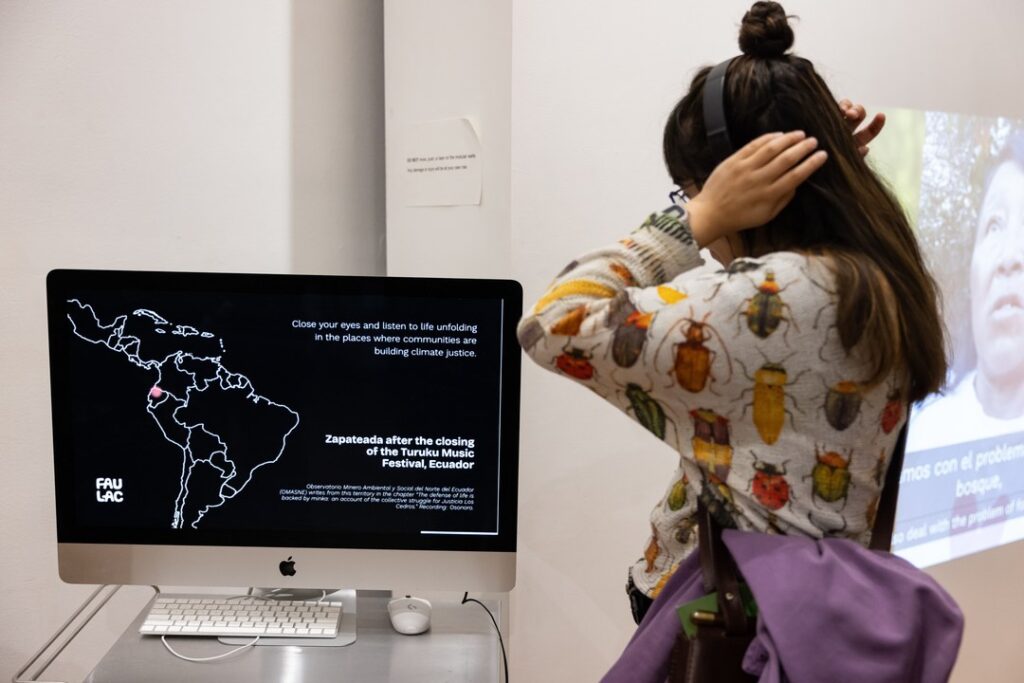
The gathering in New York celebrated these voices reaching a new audience with the publication of the English edition, Seeds of Transformation, Roots for the Future. In a city hosting international climate meetings that week, we wanted to open a space for other questions and forms of knowledge: those that emerge beside a river, around cooking fires, in a queer cultural house, in the knowledge passed down by grandmothers and women ancestors, and in organizations that have cared for their communities for decades.
“This was possible because we could dream. We have to dream, and we have to sustain one another collectively. Let’s not give in to despair,” Sofía shared.
In New York, we celebrated exactly that: in the face of those who extract and concentrate resources at the expense of territories, communities keep planting, cooking, creating queer spaces, caring for rivers, reclaiming memories and organizing. They already hold knowledge and responses for building climate justice; our responsibility is to listen, put resources in their hands and walk alongside them without taking their place.
Note
This event would not have been possible without the organizing team: Erix Cortés, Maite Smet, Paola Palacios, Auska Ovando, and Ana Hilda Figueroa.